

Why Control Valves Are Essential in Modern Fluid Control Systems
Types of Control Valves and How Their Working Mechanisms Differ
Why Precision Control Valves Matter in High Pressure and Micro Flow Applications
Electric Actuated and Hydraulic Control Valves: Working Logic and Use Cases
How to Select Professional Control Valves Based on Operating Conditions
In industrial and process systems, maintaining stable flow, pressure, and temperature is not optional—it is fundamental to safety, efficiency, and product quality. Control valves exist to regulate these variables with accuracy and reliability across a wide range of operating conditions. From high pressure systems to micro flow applications, they translate control signals into precise mechanical movement, ensuring that fluids behave exactly as required. Understanding why control valves are used and how they work provides critical insight into system performance optimization, energy efficiency, and operational stability.
Control valves play a decisive role in converting system commands into physical action. Their primary purpose is not simply to open or close flow paths, but to continuously adjust flow rate, pressure, or level in response to changing process demands. Without them, automated control would be impossible.
In high pressure systems, uncontrolled flow can lead to equipment damage, safety hazards, and energy loss. High performance control valves mitigate these risks by responding dynamically to real-time signals. This adaptability is especially critical in industries where operating conditions fluctuate rapidly, such as thermal processes, fluid distribution networks, and hydraulic circuits.
Another reason control valves are indispensable is efficiency. Precise modulation reduces unnecessary energy consumption and stabilizes downstream equipment. In Precision-driven environments, even small flow deviations can result in material waste or process inconsistency. By maintaining tight control, these valves protect both product quality and operating margins.
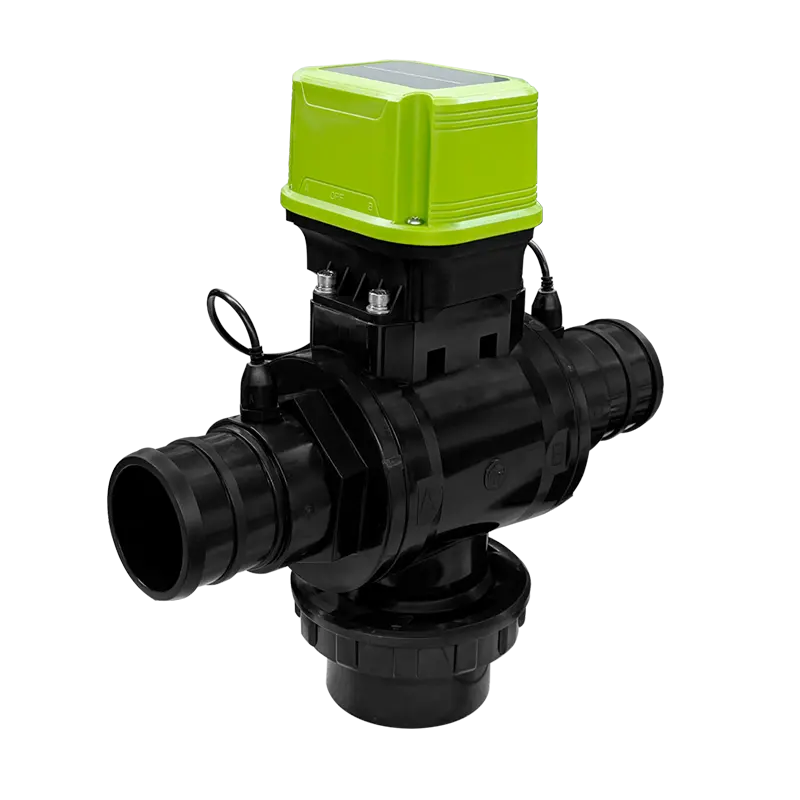
At their core, control valves operate by varying the size of a flow passage in response to an external control signal. This signal may originate from a controller that monitors parameters such as pressure, temperature, or flow rate. The valve then adjusts its internal position to maintain the desired setpoint.
The working process typically follows three steps. First, a sensor detects a process variable. Second, the controller compares the actual value to the target value. Finally, the control valve moves proportionally to correct any deviation. This continuous feedback loop allows for stable and repeatable operation.
In Electric actuated control valves, electrical signals drive precise actuator movement, making them ideal for applications requiring fast response and fine adjustment. In contrast, Hydraulic control valves rely on fluid power, making them well-suited for High pressure environments where force and durability are critical. Regardless of actuation method, the working principle remains focused on controlled modulation rather than binary switching.
The effectiveness of control valves depends on the interaction of several critical components, each contributing to accuracy, durability, and responsiveness. These elements determine how well a valve performs under demanding conditions.
| Component | Function | Impact on Performance |
|---|---|---|
| Valve Body | Houses internal flow path | Determines pressure resistance and flow stability |
| Trim Assembly | Regulates flow opening | Directly affects Precision and control range |
| Actuator | Converts control signal into motion | Influences response speed and positioning accuracy |
| Positioner | Fine-tunes actuator movement | Enhances repeatability in micro flow control |
| Sealing Elements | Prevent leakage | Critical for high pressure systems safety |
Each component must be matched to the application. For example, Professional control valves designed for corrosive or High pressure environments require reinforced bodies and optimized trim geometry. When properly engineered, these components work together to deliver consistent performance across a wide operating range.
Different system requirements demand different control valve designs. While their purpose remains consistent, their internal mechanisms and response characteristics vary significantly.
Globe-style control valves excel in throttling applications due to their linear flow characteristics and high controllability. They are often used where Precision and stable modulation are required. Rotary designs, such as ball or butterfly configurations, offer faster response and lower pressure drop, making them suitable for high-capacity flow regulation.
For micro flow control, specialized trim designs allow extremely fine adjustments, preventing overshoot and instability. In contrast, High pressure control valves prioritize structural strength and erosion resistance, often sacrificing compactness for durability. Understanding these differences clarifies why no single valve type fits every application.
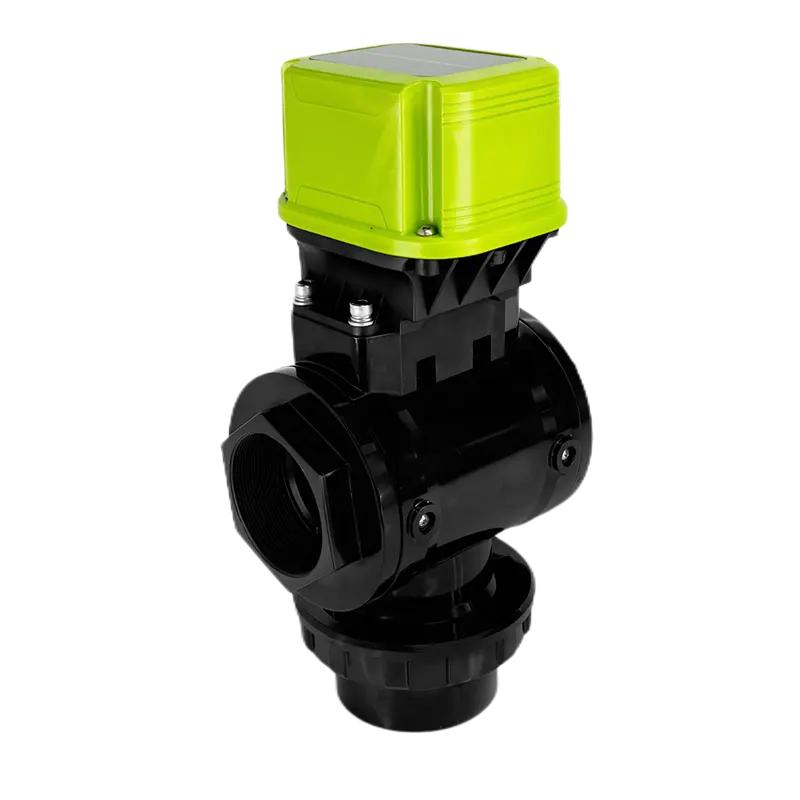
Accuracy becomes exponentially more important as operating conditions become extreme. In high pressure systems, even minor control errors can generate excessive force, vibration, or thermal stress. High performance control valves mitigate these risks by delivering stable modulation under load.
In micro flow applications, the challenge shifts from force to resolution. Small flow volumes require exceptionally fine positioning and minimal hysteresis. Precision control valves are designed to respond to minimal signal changes, ensuring consistent output without oscillation.
The value of precision is not theoretical—it directly impacts safety, efficiency, and lifecycle cost. Systems using poorly matched valves often experience premature wear, unstable control loops, and increased maintenance. Properly selected Professional control valves eliminate these issues by aligning valve behavior with process demands.
Actuation technology defines how control valves convert signals into motion. Electric actuated control valves use motors or solenoids to achieve precise positioning. They are particularly effective where clean environments, digital integration, and rapid feedback are required.
Hydraulic control valves, on the other hand, rely on pressurized fluid to generate movement. Their working logic prioritizes force and reliability, making them ideal for High pressure and heavy-duty applications. In systems where electrical actuation may be insufficient or impractical, hydraulic solutions provide unmatched robustness.
Choosing between these options depends on system architecture, response requirements, and environmental constraints. Both technologies demonstrate how control valves adapt their working mechanisms to serve different operational priorities.
Control valves are fundamental to controlled fluid behavior in modern systems. Their value lies not only in their ability to regulate flow, but in how precisely and reliably they respond to changing conditions. By understanding why control valves are used and how they work, engineers and system designers can optimize performance, enhance safety, and extend equipment lifespan. From Precision micro flow regulation to robust high pressure systems, well-designed High performance control valves remain indispensable.
Q1: Why are control valves preferred over manual valves in automated systems?
Because control valves continuously adjust flow based on real-time signals, ensuring stable operation without human intervention.
Q2: How do control valves improve system efficiency?
They minimize energy loss and process deviation by maintaining accurate flow and pressure control.
Q3: Are electric actuated control valves suitable for high pressure systems?
They can be, but Hydraulic control valves are often preferred where extremely high force is required.
Q4: What makes a control valve “high performance”?
Optimized internal design, fast response, durability, and consistent Precision across operating conditions.
Q5: Can control valves handle micro flow applications reliably?
Yes, when designed with specialized trim and positioning systems for ultra-fine control.